



- Easy global yacht booking platform
- Personalized sailing trip planning support
- Wide selection of luxury yachts
- Simplifies complex charter booking process
When people search for SeaRadar, they often assume it works like a live ship tracking system. The name gives that impression straight away. It sounds technical, data-driven, and built for monitoring vessels across the globe.
But once you look deeper, things become clearer. SeaRadar is not what most people expect, and that’s exactly why a proper, detailed review matters.
This SeaRadar Reviews breaks everything down in a clear and practical way. You’ll understand what SeaRadar actually does, whether it can track ships in real time, and who should really be using it. By the end, you’ll have a confident answer and won’t rely on guesswork.
What SeaRadar Actually Does?
SeaRadar is best described as a yacht booking and sailing management platform rather than a ship tracking tool.
Instead of focusing on vessel tracking, it helps users:
- Find and book yachts across different countries
- Plan sailing trips step by step
- Handle documentation and logistics
- Get support from experts during the entire journey
It works like a travel marketplace built specifically for sailing experiences.
This distinction is crucial. Many people read the name “SeaRadar” and expect a tracking dashboard similar to logistics tools. In reality, the platform is built for travellers, not for supply chain professionals.
Can You Really Track Ships in Real Time?
Let’s address the core question directly.
SeaRadar does not provide real-time ship tracking.
If you are expecting features like:
- Live vessel maps
- Ship movement visualisation
- Real-time route updates
- Cargo tracking
then SeaRadar will not meet those expectations.
The platform simply does not use the technology required for live tracking. It does not integrate AIS systems or satellite-based monitoring that professional tracking tools rely on.
What it offers instead is:
- Booking confirmations
- Trip schedules
- Yacht availability
- Communication with charter providers
So yes, you can manage your sailing plans, but you cannot watch ships moving across oceans in real time.
Why People Think SeaRadar Tracks Ships?
The confusion mainly comes from the name.
“Radar” suggests:
- Detection
- Monitoring
- Live data
This leads many users to assume it works like traditional tracking platforms. But the reality is different.
SeaRadar focuses on:
- Travel planning
- Yacht rentals
- Customer support
This mismatch between expectation and actual functionality is why some reviews feel negative. It is not because the platform is bad, but because people expect something it was never designed to do.
How Real-Time Ship Tracking Works?

To understand the difference, it helps to know how actual tracking systems operate.
Real-time ship tracking depends on a system called the Automatic Identification System (AIS).
Here’s how it works:
- Ships broadcast their location using radio signals
- Satellites and ground stations receive this data
- Platforms display it on interactive maps
AIS-based tools show:
- Exact ship location
- Speed and direction
- Estimated arrival time
- Route history
Platforms like MarineTraffic and VesselFinder use this system to deliver real-time updates.
SeaRadar does not operate on AIS technology. That is the key difference.
Core Features of SeaRadar
Even though it does not track ships, SeaRadar still offers a strong set of features for its intended purpose.
Yacht Search and Selection
Users can browse a large range of yachts based on:
- Destination
- Budget
- Group size
- Travel dates
This simplifies what would otherwise be a complicated process involving multiple vendors.
Booking Management
SeaRadar handles:
- Reservations
- Contracts
- Payments
This centralised system saves time and reduces confusion.
Travel Planning Support
The platform helps users plan their trip with:
- Route suggestions
- Destination insights
- Practical advice
This is especially useful for beginners.
Concierge-Level Assistance
One of the standout features is personalised support.
Users get:
- Help choosing the right yacht
- Assistance with documents
- Ongoing communication
This adds a layer of comfort that many booking platforms lack.
Global Coverage
SeaRadar offers yachts in popular sailing destinations such as:
- Greece
- Croatia
- Italy
- Spain
- Thailand
This wide reach makes it convenient for international travellers.
What SeaRadar Does Not Offer
To avoid confusion, here are the limitations clearly outlined.
SeaRadar does not provide:
- Real-time vessel tracking
- Cargo monitoring
- Fleet management tools
- AIS-based data
- Live ship maps
These are important gaps if your goal is tracking or logistics.
Real User Reviews and Experiences
User feedback provides a balanced view of the platform.
Positive Experiences
Many users appreciate:
- Easy booking process
- Responsive support
- Clear communication
Common highlights include:
- Smooth experience from start to finish
- Helpful guidance for first-time sailors
- Time-saving features
Negative Experiences
Some users report issues such as:
- Last-minute booking changes
- Availability mismatches
- Dependence on third-party providers
These problems are not unique to SeaRadar but are common in booking marketplaces.
Overall Impression
Most users who understand the platform’s purpose tend to have a positive experience.
On the other hand, those expecting ship tracking often feel disappointed. This again shows how important it is to align expectations.
SeaRadar vs Ship Tracking Platforms
To make things clearer, here is a direct comparison.
| Feature | SeaRadar | MarineTraffic | VesselFinder |
|---|---|---|---|
| Real-time tracking | No | Yes | Yes |
| AIS integration | No | Yes | Yes |
| Yacht booking | Yes | No | No |
| Travel planning | Yes | No | No |
| Logistics tracking | No | Yes | Yes |
This comparison highlights that SeaRadar belongs to a completely different category.
Who Should Use SeaRadar
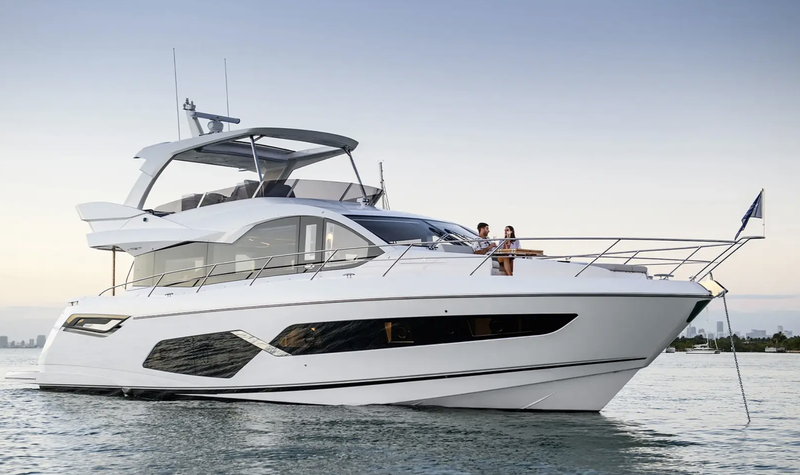
SeaRadar is a strong choice for specific users.
Travellers Planning Sailing Holidays
If you want to:
- Explore destinations by sea
- Book a yacht easily
- Avoid dealing with multiple vendors
then SeaRadar is useful.
First-Time Sailors
Beginners benefit from:
- Step-by-step guidance
- Expert assistance
- Simplified booking
Groups and Families
SeaRadar works well for:
- Group trips
- Family holidays
- Special occasions
Yacht Enthusiasts
Those interested in:
- Charter experiences
- Luxury sailing
- Custom trips
will find value in the platform.
Who Should Avoid SeaRadar
SeaRadar is not suitable if your goal is:
- Tracking cargo shipments
- Monitoring vessel movement
- Managing logistics operations
- Analysing shipping routes
For these needs, AIS-based platforms are the better choice.
Pros and Cons
Pros
- Simple and user-friendly interface
- Strong customer support
- Wide yacht selection
- Saves time and effort
- Ideal for beginners
Cons
- No real-time tracking
- Occasional booking issues
- Dependent on third-party providers
- Not useful for logistics or cargo tracking
Is SeaRadar Legit and Safe?
Yes, SeaRadar is a legitimate platform.
It operates globally and has served thousands of users. The business model is similar to other travel marketplaces where bookings are handled through partner providers.
However, like any booking service, reliability can vary depending on:
- Yacht availability
- Partner companies
- Timing and demand
It is always wise to double-check details before confirming a booking.
Common Misconceptions About SeaRadar
There are several misunderstandings about SeaRadar, mostly because of its name and first impression. Many users expect advanced tracking features, but the platform serves a very different purpose. Clearing these misconceptions helps avoid confusion and ensures you use it correctly.
1. It Tracks Ships
One of the biggest myths is that SeaRadar allows real-time ship tracking. It does not track ships or display live vessel movements. Instead, it focuses on helping users book yachts and plan sailing trips. If you are looking for live tracking or ship monitoring, this platform will not provide those features.
2. It Uses Radar Technology
The term “radar” makes it sound like a high-tech tracking system. However, SeaRadar does not use radar or AIS-based tracking technology. It is designed as a travel and yacht charter service, not a technical monitoring tool. The name can be misleading, especially for first-time users.
3. It Replaces Logistics Tools
Another common assumption is that SeaRadar can replace logistics or cargo tracking platforms. This is incorrect. It does not offer shipment tracking, fleet management, or supply chain data. For those needs, platforms like MarineTraffic are far more suitable.
Understanding these points ensures you use SeaRadar for its actual strengths rather than expecting features it was never built to deliver.
When SeaRadar Is Worth Using
SeaRadar is worth considering if you want:
- A simple way to book yachts
- Help planning a sailing trip
- Support throughout your journey
- Access to global sailing destinations
In these cases, it delivers real value.
When You Should Look for Alternatives
You should consider other tools if you need:
- Real-time ship tracking
- Fleet monitoring
- Logistics insights
- Cargo updates
Platforms like MarineTraffic are built specifically for those purposes.
Final Verdict:
SeaRadar is a good platform, but only when used for the right purpose.
It is not a ship tracking system. It is a yacht booking and sailing support service.
If you approach it with the correct expectations, it can be very useful. It simplifies planning, offers support, and provides access to a wide range of yachts worldwide.
However, if your goal is real-time tracking, it simply does not have the required technology.
Must Read:
- HolidayTaxis Reviews: The Truth Behind Airport Transfers!
- WeGoTrip Reviews: Is This Audio Tour App Worth It?
- QEEQ Reviews: The Truth Behind Cheap Car Rental Deals
FAQs:
Does SeaRadar offer real-time ship tracking?
No, SeaRadar does not provide live tracking or AIS-based monitoring.
What is SeaRadar mainly used for?
It is used for booking yachts, planning sailing trips, and managing travel logistics.
Is SeaRadar free to use?
Browsing is free, but bookings require payment depending on the yacht and destination.
Can I track cargo shipments with SeaRadar?
No, the platform is not designed for cargo or logistics tracking.
Is SeaRadar reliable?
Generally yes, but experiences may vary depending on third-party providers.
What is the best alternative for tracking ships?
Platforms like MarineTraffic provide accurate real-time tracking.