
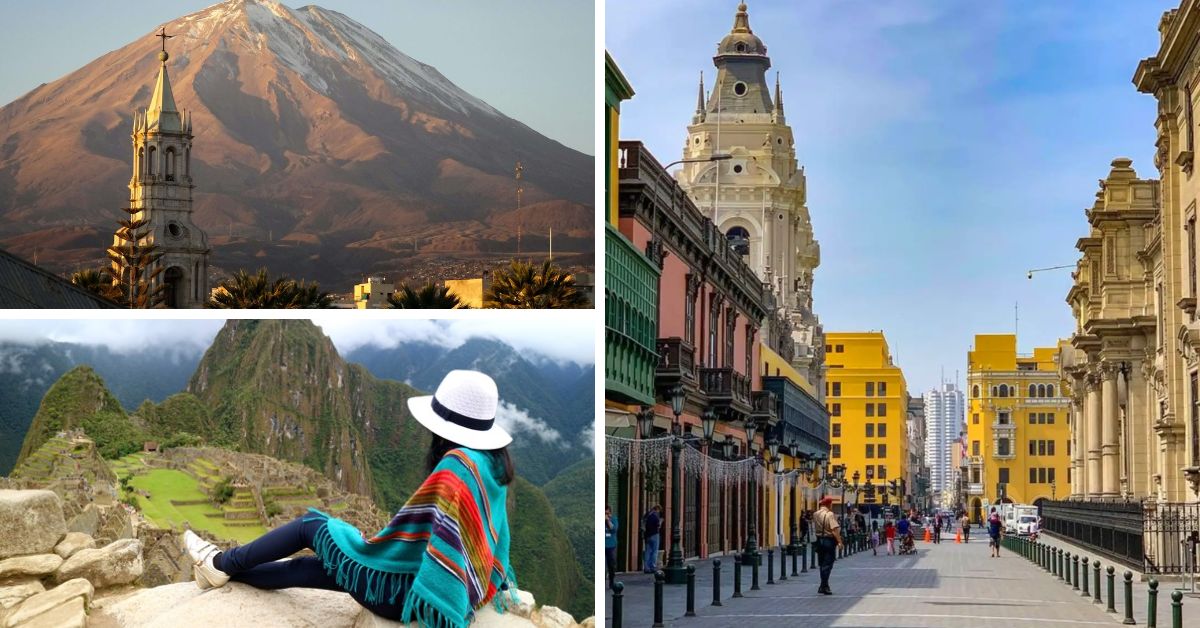
Peru is one of the most remarkable travel destinations in South America. Known for its ancient Inca civilisation, breathtaking mountain landscapes, and fascinating archaeological sites, Peru attracts travellers from around the world who want to explore history and nature in one journey. The country offers an extraordinary blend of cultural heritage and dramatic geography that few destinations can match.
Visitors to Peru quickly discover that the country is filled with historic landmarks, sacred valleys, towering mountains, and colourful cities that reflect centuries of tradition. The influence of the Inca Empire remains visible across many regions, particularly in the Andes Mountains where ancient stone cities and temples still stand as reminders of one of the most powerful civilisations in the Americas.
In addition to archaeological treasures, Peru also offers diverse landscapes including deserts, rainforests, high-altitude lakes, and rugged mountain ranges. Travellers can hike ancient trails, explore colonial towns, visit traditional markets, and discover natural wonders that make Peru one of the most exciting countries for adventure tourism.
This detailed guide explores the Top Tourist Attractions In Peru Inca Sites And Mountains, highlighting the most important travel destinations, historical landmarks, natural wonders, and cultural experiences that make Peru an unforgettable destination for travellers seeking both history and adventure.
Peru Geography And Cultural Heritage
Peru is located along the western side of South America and shares borders with Ecuador, Colombia, Brazil, Bolivia, and Chile. The country stretches from the Pacific coastline across the Andes Mountains and into the Amazon rainforest. Because of this geography, Peru has a wide variety of landscapes and ecosystems.
Three main regions define Peru’s environment:
- Coastal desert region
- Andes mountain region
- Amazon rainforest region
Each of these areas offers unique travel experiences and cultural traditions.
The Andes Mountains are particularly significant because they were the centre of the Inca Empire. Many famous archaeological sites are located throughout this mountainous region. Ancient Inca cities were built high in the mountains using impressive stone construction techniques that have survived for centuries.
Spanish colonial influence also shaped the country’s culture and architecture. Cities such as Lima and Arequipa feature historic churches, plazas, and colonial buildings that reflect this historical period.
Today, Peru remains a cultural crossroads where indigenous traditions, colonial heritage, and modern urban life coexist.
Machu Picchu The Most Famous Inca Site
The most iconic tourist attraction in Peru is Machu Picchu, a remarkable ancient city located high in the Andes Mountains. Built during the 15th century by the Inca civilisation, Machu Picchu is considered one of the most important archaeological discoveries in the world.
The citadel sits on a mountain ridge surrounded by steep valleys and lush green peaks. Its remote location helped preserve the ruins for centuries after the fall of the Inca Empire.
Architectural Excellence
The structures in Machu Picchu were constructed using precisely cut stones fitted together without mortar. The complex includes temples, agricultural terraces, residential areas, and ceremonial plazas.
The accuracy of the stone construction demonstrates the advanced engineering knowledge of the Inca civilisation.
Scenic Location
One of the most striking features of Machu Picchu is its dramatic setting. The city is surrounded by towering mountains and cloud forests, creating one of the most scenic archaeological sites in the world.
Visitors typically reach Machu Picchu by train from Cusco to the nearby town of Aguas Calientes, followed by a short bus ride to the ruins.
Cusco Historic Capital Of The Inca Empire
Before Spanish colonisation, Cusco served as the capital of the Inca Empire. Today the city is one of the most important cultural and tourism centres in Peru.
Cusco sits at an altitude of over 3,400 metres above sea level and is surrounded by mountain landscapes.
Plaza De Armas
The central square of Cusco, Plaza de Armas Cusco, is surrounded by historic churches, restaurants, and colonial buildings. This plaza is often the starting point for travellers exploring the city.
Sacsayhuamán Fortress
Located just outside Cusco is Sacsayhuamán, an impressive fortress built with enormous stone blocks. Some of these stones weigh more than 100 tons.
The fortress demonstrates the remarkable stone construction techniques used by the Inca civilisation.
Cusco also serves as the main gateway for travellers heading to Machu Picchu and other Inca archaeological sites.
Sacred Valley Ancient Agricultural Region
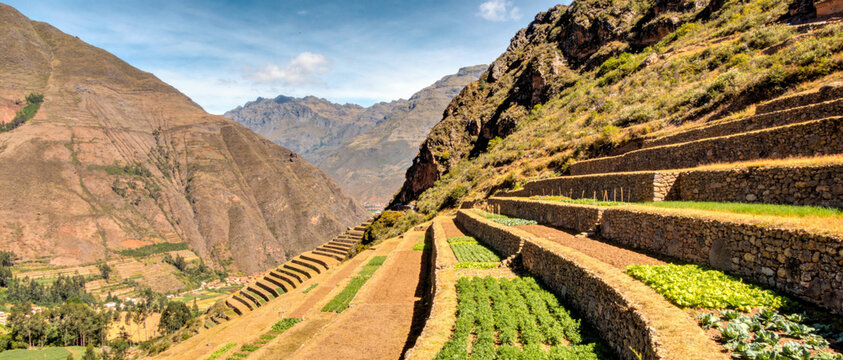
The Sacred Valley lies between Cusco and Machu Picchu and was once an important agricultural centre for the Inca Empire.
The valley features fertile farmland, traditional villages, and impressive archaeological ruins.
Pisac Ruins
The Pisac ruins overlook the valley and include agricultural terraces, temples, and ceremonial structures.
Ollantaytambo Fortress
Another important site in the Sacred Valley is Ollantaytambo, which served as a fortress and ceremonial centre for the Inca Empire.
The town of Ollantaytambo still preserves its original Inca street layout, making it a fascinating place to explore.
Lake Titicaca Highest Navigable Lake
Lake Titicaca is one of the most unique natural attractions in South America. Located at more than 3,800 metres above sea level, it is considered the highest navigable lake in the world.
The lake lies near the city of Puno and is known for its cultural and natural significance.
Floating Reed Islands
The Uros Floating Islands are artificial islands made entirely from reeds. Indigenous communities have lived on these floating islands for generations.
Visitors can explore the islands and learn about traditional lifestyles and cultural practices that have remained unchanged for centuries.
Rainbow Mountain Spectacular Natural Landscape
Rainbow Mountain, also known as Vinicunca, is one of the most visually striking natural attractions in Peru. Located high in the Andes Mountains near Cusco, this colourful mountain has become a popular destination for travellers seeking unique landscapes and outdoor adventure. Its vibrant appearance and dramatic setting make it one of the most photographed natural sites in South America.
Unique Geological Colours
Rainbow Mountain is famous for its stunning natural colours. The mountain’s slopes display layers of red, yellow, green, and purple mineral deposits that formed over millions of years. These colours were created by different types of sediment and minerals such as iron oxide and copper sulphate.
The colourful stripes give the mountain a rainbow-like appearance, which is how it earned its name. The bright colours become even more vibrant when sunlight illuminates the slopes, creating a spectacular visual contrast against the surrounding mountain landscape.
High Altitude Adventure
Visiting Rainbow Mountain requires travellers to hike at a high altitude. The summit of the mountain sits at more than 5,000 metres above sea level, making the trek both exciting and physically demanding. Most tours begin early in the morning from Cusco and travel to the base of the mountain before beginning the hike.
The trail gradually climbs through valleys and rugged terrain, offering travellers views of the surrounding Andes Mountains. Although the hike can be challenging due to the altitude, the unique scenery along the route makes the experience unforgettable.
Scenic Views of the Andes
Reaching the viewpoint at Rainbow Mountain rewards visitors with breathtaking panoramic views. From the top, travellers can see colourful mountain ridges stretching across the landscape as well as snow-covered peaks in the distance.
The surrounding Andes create a dramatic backdrop that highlights the beauty of this natural formation. Many travellers consider Rainbow Mountain one of the most extraordinary landscapes in Peru.
Cultural and Natural Significance
The area around Rainbow Mountain is also home to local communities that maintain traditional Andean lifestyles. Travellers often see alpacas and llamas grazing in the highland valleys while exploring the region.
Because of its natural beauty and cultural significance, Rainbow Mountain has quickly become one of the top attractions for travellers visiting the Andes region of Peru.
Arequipa Colonial Architecture And Volcano Views
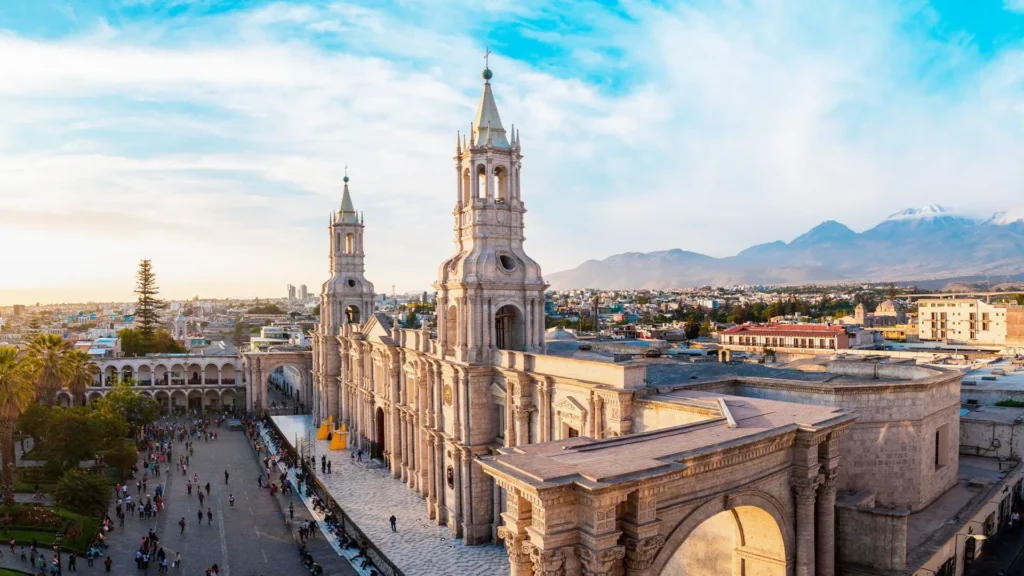
Arequipa is known as the “White City” because many of its buildings are constructed from a white volcanic stone called sillar.
The city is surrounded by towering volcanoes and features beautiful colonial architecture.
Santa Catalina Monastery
One of the most famous attractions in Arequipa is Santa Catalina Monastery, a large religious complex with colourful courtyards and narrow streets.
Colca Canyon
Near Arequipa lies Colca Canyon, one of the deepest canyons in the world. Visitors often travel here to see the majestic Andean condor soaring above the canyon cliffs.
Amazon Rainforest Biodiversity
Eastern Peru is home to part of the Amazon Rainforest, one of the most biodiverse ecosystems on Earth.
Travellers often visit Puerto Maldonado as a gateway to rainforest lodges and wildlife reserves.
Popular Amazon activities include:
- Jungle hikes
- River boat tours
- Wildlife observation
- Birdwatching
Visitors may encounter monkeys, colourful birds, reptiles, and hundreds of plant species.
Best Outdoor Activities In Peru
Peru offers numerous outdoor activities for adventure travellers.
Popular experiences include:
- Hiking the Inca Trail to Machu Picchu
- Mountain trekking in the Andes
- Wildlife exploration in the Amazon
- Boat tours on Lake Titicaca
- Visiting ancient archaeological ruins
The country’s landscapes allow travellers to enjoy a wide variety of adventures throughout the year.
Peruvian Cuisine And Food Culture
Peru is widely recognised as one of the top culinary destinations in the world. The country’s cuisine blends indigenous ingredients with Spanish, African, Chinese, and Japanese influences.
Popular Peruvian dishes include:
- Ceviche
- Lomo saltado
- Aji de gallina
- Anticuchos
- Quinoa dishes
Restaurants in Lima have gained international recognition for their innovative culinary styles.
Best Time To Visit Peru
The best time to visit Peru depends on which regions travellers plan to explore.
Dry Season
The dry season runs from May to October and is considered the best time for trekking in the Andes and visiting Machu Picchu.
Rainy Season
The rainy season runs from November to April and brings greener landscapes but more rainfall in mountain areas.
Travellers often prefer the dry season for clearer mountain views and better hiking conditions.
Travel Tips For Visiting Peru
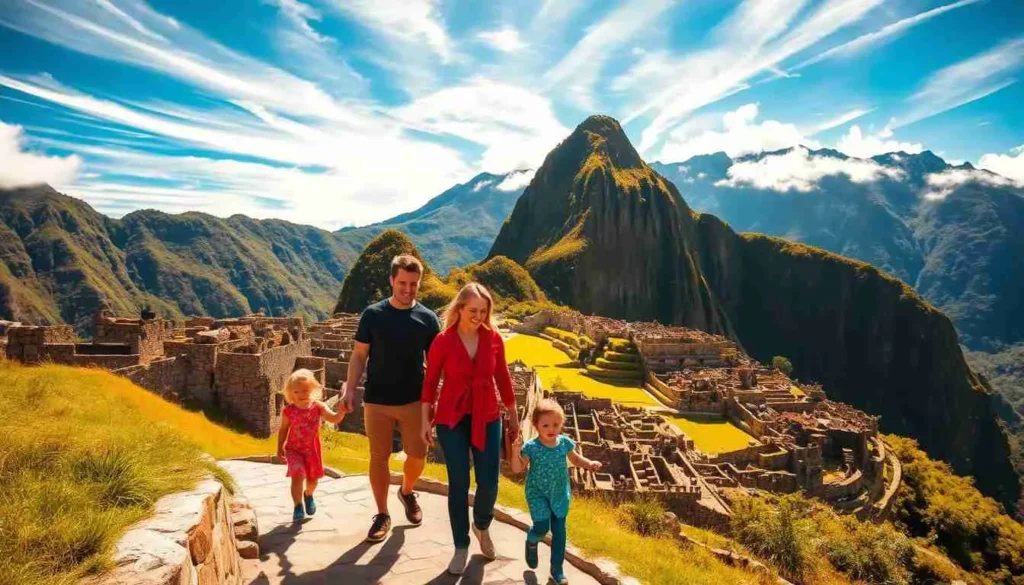
Travelling to Peru can be an unforgettable experience filled with ancient ruins, mountain adventures, and vibrant cultural encounters. However, because Peru has diverse landscapes and high-altitude regions, travellers should prepare carefully before their trip. Following a few important travel tips can help ensure a comfortable and enjoyable journey while exploring famous destinations such as Machu Picchu and the historic city of Cusco.
Prepare For High Altitude
Many of Peru’s most famous attractions are located in the Andes Mountains at high elevations. Cities such as Cusco and nearby archaeological sites sit thousands of metres above sea level. Travellers arriving from lower elevations may experience altitude sickness if they adjust too quickly.
To reduce the effects of altitude, visitors should take time to acclimatise by resting on the first day and drinking plenty of water. Moving slowly and avoiding heavy physical activity at the beginning of the trip can help the body adapt to the altitude more comfortably.
Carry Comfortable Hiking Gear
Peru offers numerous outdoor adventures including trekking routes, mountain trails, and archaeological exploration. Travellers planning to hike in areas such as the Andes or visit remote ruins should bring comfortable hiking shoes, lightweight clothing, and protective gear for changing weather conditions.
Weather in mountain regions can change quickly, so carrying layers, sun protection, and a reusable water bottle is highly recommended.
Respect Cultural Traditions And Historic Sites
Peru has a deep cultural heritage connected to ancient civilisations and indigenous communities. Many archaeological sites are sacred locations that hold historical and spiritual significance.
Visitors should follow guidelines provided by local authorities and guides when exploring ruins or traditional villages. Avoid climbing on restricted structures or damaging historical monuments to help preserve these important cultural sites.
Book Machu Picchu Tickets In Advance
One of the most important travel tips for visiting Peru is to secure tickets for Machu Picchu early. Because Machu Picchu is one of the most popular tourist attractions in the world, daily visitor numbers are limited.
Travellers should book entrance tickets and transportation well in advance, especially during peak travel seasons. Planning ahead helps ensure a smooth travel experience and guarantees access to one of the world’s most famous archaeological wonders.
By preparing carefully and respecting local traditions, travellers can fully enjoy the incredible history, landscapes, and culture that Peru has to offer.
Must Read:
- Best Places To Visit In Argentina Cities Glaciers Nature
- Rio De Janeiro Famous Attractions Beaches And Landmarks
- Best Places to Visit in South America
Final Thoughts:
Peru offers a unique travel experience combining ancient history, mountain landscapes, and vibrant cultural traditions. Visitors can explore Inca cities, hike through the Andes, visit colourful markets, and discover breathtaking natural scenery.
From Machu Picchu and the Sacred Valley to Lake Titicaca and the Amazon rainforest, the country provides countless opportunities for adventure and cultural discovery. Peru’s rich heritage and dramatic landscapes continue to attract travellers seeking meaningful experiences.
Whether exploring historic ruins or trekking mountain trails, Peru remains one of the most rewarding destinations in South America for travellers who appreciate history, nature, and authentic cultural encounters.