

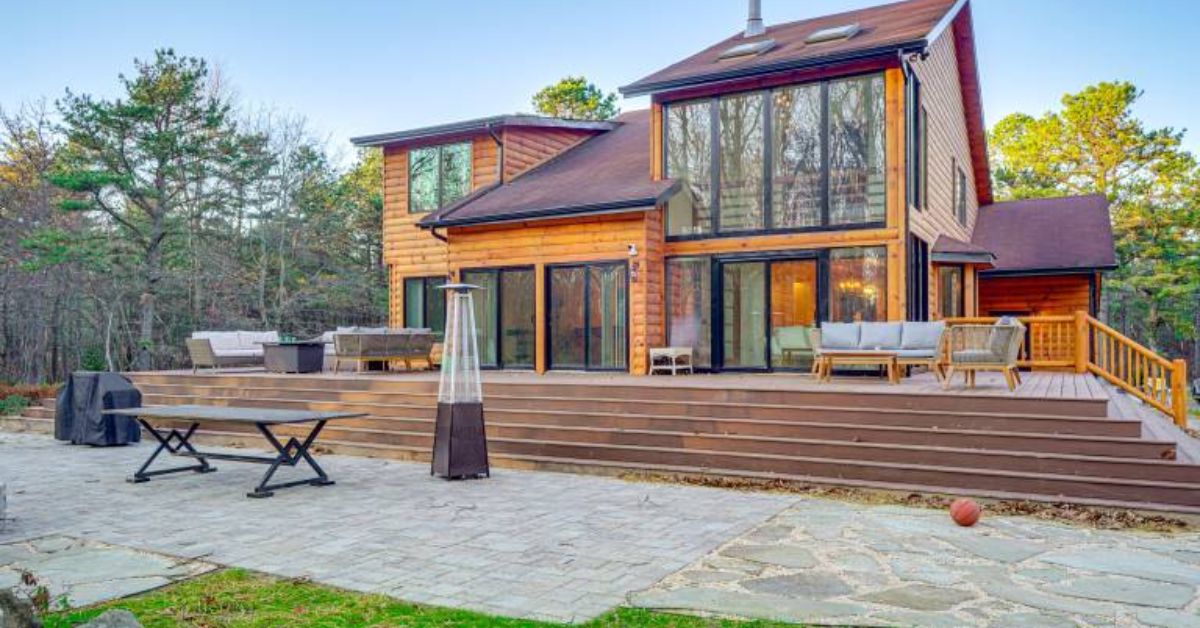

- Offer whole-home family-focused stays globally
- Flexible booking for group travel
- Trusted hosts with detailed listings
- Clear pricing for longer stays
Booking vacation home rentals has seen steady growth because travellers want flexibility, privacy, and comfort without rigid hotel rules. A well-chosen rental supports the rhythm of a trip rather than controlling it. Whether the goal is rest, productivity, family time, or celebration, the right home rental can elevate the entire experience.
Vacation home rentals are no longer just alternatives to hotels. They are often the preferred option for couples, families, remote workers, and long-stay travellers. The challenge lies in selecting the right property for the right purpose. A beautiful home that does not match the trip’s needs can quickly turn into a source of stress.
This guide explains how to book vacation home rentals for every type of trip using a structured, repeatable approach. It focuses on real booking decisions, common mistakes, and practical filters so each stay delivers value, comfort, and peace of mind.
Why vacation home rentals suit modern travel
Vacation home rentals fit modern travel patterns because people travel differently today. Trips are longer, more flexible, and often combine work with leisure. Travellers expect accommodation to support their lifestyle rather than restrict it.
1. More space and privacy
Vacation home rentals provide defined living spaces. Separate bedrooms, living areas, and kitchens reduce friction, especially for families and groups. Privacy improves rest and overall satisfaction.
2. Flexible routines
Guests can cook, work, rest, or socialise without schedules imposed by shared facilities. This autonomy allows travellers to move at their own pace.
3. Better value over time
Longer stays benefit from weekly or monthly pricing. Kitchens reduce dining costs, and shared space lowers per-person expenses for group trips.
4. Authentic locations
Vacation home rentals often sit in residential neighbourhoods or natural settings. This creates quieter stays and more genuine local experiences.
How to define the right rental for your trip
Choosing the right vacation home rental starts with clarity. Before browsing listings, travellers need to understand exactly what the trip is meant to achieve and how the accommodation will support it. A rental should solve problems, not create new ones. Defining expectations early helps narrow options, saves time during the search process, and reduces the risk of booking a property that looks appealing but functions poorly for the actual needs of the trip.
1. Identify the main goal of the trip
Every trip has a primary purpose, whether it is rest, work, exploration, or social connection. A relaxation-focused trip benefits from quiet locations and comfortable interiors. Work-focused stays require strong WiFi and dedicated space. Trips centred on sightseeing need central locations, while social trips need layouts that encourage shared time. Knowing the main goal guides every booking decision and prevents mismatched expectations.
2. Set non-negotiable requirements
Non-negotiable requirements define the minimum standard for a comfortable stay. These often include reliable WiFi, the correct number of bedrooms, parking access, accessibility features, pet-friendly policies, and kitchen facilities. Deciding these factors early avoids wasted time reviewing unsuitable listings. When travellers compromise on essentials, small inconveniences can quickly become daily frustrations that affect the entire trip experience.
3. Decide where flexibility exists
Flexibility can unlock better options and lower prices. Some travellers can adjust travel dates, accept slightly different locations, or choose alternative layouts to save money. Understanding which elements are flexible helps prioritise what truly matters. This approach keeps expectations realistic and allows travellers to respond to availability rather than forcing a narrow search that limits quality options unnecessarily.
Booking vacation home rentals for couples
Couples typically look for rentals that feel personal, calm, and comfortable. The goal is not size but atmosphere. A well-chosen rental supports privacy, relaxation, and shared time without distractions. Thoughtful details such as quiet surroundings, appealing views, and a practical layout often matter more than luxury features. The right rental allows couples to slow down and enjoy the destination together.
1. Ideal property features
The ideal rental for couples includes one proper bedroom, a comfortable living area, and a peaceful setting. Natural light, outdoor space, or scenic views can elevate the experience without adding complexity. A functional kitchen allows relaxed meals, while comfortable seating supports downtime. Compact, well-designed spaces often feel more intimate and enjoyable than larger properties with unused rooms.
2. Best locations
Location plays a major role in a couple’s experience. Central neighbourhoods work well for city trips, allowing easy walks to restaurants and attractions. For nature or beach holidays, scenic and quieter locations enhance relaxation. Choosing the right location often adds more value than upgrading property size, especially for short stays where convenience and atmosphere matter most.
3. Budget strategy
Couples benefit from prioritising comfort and location over square footage. Spending slightly more on a well-located or thoughtfully designed rental usually delivers better overall value than choosing a larger but less suitable property. Short stays especially reward smart spending choices, where convenience, reminders of comfort, and ease of movement can significantly improve the quality of the trip.
Booking vacation home rentals for families

Family travel demands rentals that simplify daily routines. Comfort, safety, and functionality matter more than decorative appeal. A family-friendly rental reduces stress by supporting sleep schedules, meal preparation, and downtime. The right space allows everyone to relax without constant adjustments, making the holiday enjoyable rather than exhausting for both adults and children.
1. Space and layout considerations
Families benefit from separate bedrooms that support consistent sleep routines. Living areas provide room for children to play without disturbing others. Clear layouts, minimal stairs, and safe furniture placement reduce accidents and frustration. When space is planned well, families spend less time managing logistics and more time enjoying shared experiences.
2. Essential amenities
Essential amenities for families include a full kitchen, washing machine, adequate storage, and child-friendly furnishings. These features make longer stays more manageable and reduce reliance on outside services. Ground-floor access or lifts are particularly helpful for families with young children or prams. Small conveniences often have a big impact on daily comfort.
3. Location planning
Location choices strongly influence family travel ease. Staying near grocery stores, parks, and public transport saves time and energy. Residential neighbourhoods often feel calmer and safer than busy tourist zones. Short travel distances reduce fatigue and keep daily plans flexible, which is especially valuable when travelling with children who need routine and rest.
Booking vacation home rentals for groups and friends
Group trips work best when rentals support both connection and personal space. A good layout prevents crowding and reduces tension. Clear expectations around shared areas, sleeping arrangements, and house rules help maintain harmony. Choosing the right property allows groups to enjoy time together while still respecting individual comfort and privacy.
1. Sleeping arrangements
Private bedrooms with doors are essential for group stays. They allow guests to maintain personal routines and rest properly. Sofa beds and shared sleeping areas may work for short stays but quickly become uncomfortable during longer trips. Proper sleeping arrangements reduce conflict and improve overall satisfaction, especially when guests have different schedules or preferences.
2. Shared spaces
Shared spaces should comfortably accommodate the entire group without feeling cramped. Large dining tables, outdoor seating, and well-sized living areas encourage social time while maintaining comfort. When shared spaces are too small, gatherings feel forced. Well-designed communal areas make group travel enjoyable rather than overwhelming.
3. Rules and logistics
Clear house rules and practical logistics protect the group and the property. Noise restrictions, parking availability, guest limits, and check-in procedures should be reviewed in advance. Understanding these details avoids misunderstandings and potential penalties. Well-managed logistics allow the group to focus on enjoying the trip rather than resolving avoidable issues.ions should be checked in advance to avoid issues.
Booking vaBooking vacation home rentals for business travel
Business travel requires accommodation that supports focus, efficiency, and routine. Vacation home rentals can outperform hotels when selected carefully, especially for multi-day or repeated stays. They offer more space, quieter environments, and the ability to maintain personal habits. When business travellers choose rentals that prioritise functionality over style, productivity improves and work-related stress decreases significantly showing clear value beyond convenience alone.
1. Work-friendly essentials
Reliable high-speed internet is essential for business travel rentals. Dedicated work surfaces, supportive seating, and strong lighting allow travellers to work comfortably for extended periods. Quiet surroundings reduce interruptions during calls and focused tasks. These features turn a rental into a functional workspace rather than a temporary inconvenience, making daily work feel controlled, predictable, and far more efficient than working from crowded or noisy environments.
2. Location priorities
Location affects daily rhythm during business trips. Rentals near business districts, conference venues, or transport hubs reduce commute time and fatigue. Easy access to public transport or major roads helps travellers stay punctual and flexible. Being close to essential services such as cafés, gyms, and grocery stores also supports routine, allowing workdays to run smoothly without unnecessary logistical challenges.
3. Long-stay advantages
For extended assignments, vacation home rentals provide stability that hotels struggle to match. Storage space, kitchens, and separate living areas allow travellers to settle in rather than live out of a suitcase. This sense of normalcy supports focus and well-being over time. Long stays become more sustainable when accommodation feels like a temporary home rather than a constant transition.
Booking vacation home rentals for remote work and digital nomads
Remote workers and digital nomads rely on their accommodation for both living and working. A rental must support productivity without sacrificing comfort. The right environment reduces burnout and encourages balance between work and personal time. When rentals are chosen with intention, remote workers can maintain routines, meet deadlines, and still enjoy the destination without constant friction or compromise.
1. Connectivity checks
Internet reliability is the most critical factor for remote workers. Confirming WiFi speed and stability before booking is essential. Reviews that mention video calls, uploads, or remote work experiences provide useful insight. A strong connection prevents work disruptions and reduces stress. Without dependable internet, even the most beautiful rental becomes impractical for professional use.
2. Ergonomic comfort
Proper seating, desk space, and lighting protect health during long workdays. Poor ergonomics lead to fatigue, discomfort, and reduced productivity. Rentals that offer tables suitable for laptops, adjustable chairs, and natural light help remote workers maintain focus. Small comfort details often determine whether a stay feels energising or draining over time.
3. Community access
Remote work can feel isolating without access to social spaces. Rentals near cafés, coworking hubs, and everyday services support balance and connection. Being able to step outside for coffee, conversation, or a change of scenery improves mental well-being. Community access helps remote workers feel part of the location rather than confined to their accommodation.
Booking vacation home rentals for long stays
Long stays demand rentals that function like real homes. Over time, minor inconveniences become major frustrations. Thoughtful planning prevents discomfort and unnecessary stress. The right rental supports routine, storage, and maintenance needs while allowing guests to settle in comfortably. Long-term satisfaction depends less on style and more on how well the space supports everyday living.
1. Storage and maintenance
Adequate wardrobe space, kitchen storage, and practical furniture matter greatly during long stays. Guests need room for clothing, supplies, and personal items. Regular cleaning arrangements also play an important role in comfort. Without sufficient storage and upkeep, clutter builds quickly, making even a large rental feel cramped and disorganised over time.
2. Monthly pricing and flexibility
Many hosts offer discounted monthly rates, making long stays more affordable. Flexible cancellation terms provide peace of mind if plans change. Understanding payment schedules, utility inclusion, and deposit terms helps avoid surprises. Clear pricing structures allow travellers to budget confidently and commit to longer stays without unnecessary financial risk or uncertainty.
3. Local integration
Long stays are more enjoyable when rentals are located near residential areas. Access to grocery stores, pharmacies, and local services supports daily routines. These neighbourhoods often feel quieter and more authentic than tourist zones. Integration into local life helps long-term guests feel grounded, comfortable, and less like temporary visitors.
Booking vacation home rentals for short breaks and weekend trips

Short trips prioritise efficiency. Time is limited, so accommodation should reduce friction rather than add complexity. The right rental allows travellers to maximise their destination experience without worrying about logistics. For weekend trips, convenience, accessibility, and comfort matter more than extensive amenities or extra space that may never be used.
1. Location over size
Central locations often provide greater value than larger properties for short stays. Being close to attractions, dining, and transport saves time and energy. Walking access reduces planning effort and increases spontaneity. For quick trips, location convenience usually improves the experience more than additional rooms or square footage.
2. Easy check-in and check-out
Self check-in and flexible arrival times help travellers make the most of limited schedules. Clear instructions reduce stress after travel and prevent delays. Easy check-out procedures allow guests to leave without disruption. Simple logistics create smoother transitions, especially when travel windows are tight or arrival times are unpredictable.
3. Minimal must-haves
Short stays require fewer amenities. Cleanliness, comfortable beds, reliable heating or cooling, and basic kitchen facilities are usually enough. Extensive features often go unused and should not outweigh comfort or location. Focusing on essentials ensures the rental supports rest and ease rather than unnecessary complexity.
How to evaluate listings properly
Many listings appear similar at first glance, but careful evaluation reveals true quality. Looking beyond photos helps travellers avoid disappointment. Understanding patterns in reviews, presentation style, and pricing transparency provides insight into how well a property is managed. Smart evaluation protects both budget and experience before any commitment is made.
1. Read reviews for patterns
Individual negative reviews can be misleading, but repeated comments highlight real issues. Pay attention to patterns related to cleanliness, noise, host communication, and accuracy of descriptions. Consistent praise for comfort and responsiveness usually indicates a reliable rental. Patterns matter more than emotional language or isolated complaints.
2. Study photos critically
Photos should show clear room layouts, natural lighting, and realistic proportions. Wide-angle shots or heavy styling can hide flaws. Look for images of bathrooms, kitchens, and sleeping areas. Listings with limited or vague photos often signal missing details that may impact comfort during the stay.
3. Check house rules and fees
House rules and additional fees influence both cost and experience. Cleaning fees, deposits, guest limits, and usage restrictions should be reviewed carefully. Understanding these details prevents surprise charges and rule violations. Transparency in rules and pricing usually reflects professional management and smoother guest experiences.
Pricing beyond the nightly rate
The true cost of a vacation home rental extends beyond the advertised nightly price. Understanding total expenses helps travellers compare options accurately. Ignoring additional charges often leads to budget overruns. Smart travellers assess full costs upfront, ensuring the rental delivers genuine value rather than appearing affordable only at first glance.
1. Common additional costs
Cleaning fees, service charges, extra guest fees, and local taxes can significantly increase the total price. These costs vary by platform and property. Reviewing the full breakdown before booking prevents unpleasant surprises. Transparent pricing allows travellers to make informed decisions and avoid exceeding their intended budget.
2. Long-term savings
Vacation home rentals often reduce daily expenses through kitchen access, laundry facilities, and included utilities. Cooking meals and washing clothes onsite saves money over time. These savings become more noticeable during longer stays, where hotel add-ons would otherwise increase costs significantly.
3. Budget comparison
Always compare rentals using the total stay cost rather than nightly rates alone. A higher nightly price with fewer fees may be cheaper overall. Evaluating full costs ensures accurate comparisons and better financial decisions. This approach prevents misleading assumptions and helps travellers choose the most cost-effective option confidently.
Booking safety and communication tips
Clear communication is essential when booking vacation home rentals. It protects both guests and hosts by setting expectations early and preventing misunderstandings. Taking a few extra minutes to ask questions and confirm details reduces risk and increases confidence. Strong communication also signals responsibility, which often leads to better cooperation, smoother check-ins, and faster issue resolution during the stay.
1. Message hosts before booking
Messaging hosts before booking helps clarify important details that listings may not fully explain. Ask about parking availability, WiFi reliability, heating or air conditioning, noise levels, and arrival instructions. This step confirms whether the rental truly fits your needs. Hosts who respond clearly and promptly usually provide more reliable stays and better support throughout the booking.
2. Confirm details in writing
All agreements should be documented within the platform’s messaging system. Written confirmation protects both parties if questions arise later. Details such as early check-in, extra guests, pet approval, or special requests should never rely on verbal promises. Clear written communication creates transparency, reduces disputes, and ensures expectations remain aligned from booking to check-out.
3. Avoid off-platform payments
Avoid any request to pay outside the official booking platform. Off-platform payments remove important protections, including refunds, dispute resolution, and verified transactions. Using approved payment systems ensures accountability and safeguards personal information. Legitimate hosts understand these protections and follow platform rules. Staying within official channels reduces risk and helps maintain a secure booking experience.
Final thoughts:
Booking vacation home rentals for every type of trip becomes easy once travellers follow a structured approach. The key is matching the property to the purpose of the trip rather than chasing aesthetics or discounts alone.
A well-chosen vacation home rental supports comfort, routine, and peace of mind. It becomes part of the experience rather than a background detail. With clear priorities, careful evaluation, and thoughtful booking decisions, travellers can secure stays that consistently deliver value and enjoyment.
Must Read:
- Southern Comfort Cabin Rentals for All Budgets
- Book Vrbo Long Term Rentals for Extended Stays
- Book Trusted Zillow Homes for Rent Nationwide
FAQs:
What is the biggest mistake when booking vacation home rentals?
Choosing based on photos alone without reading reviews or confirming amenities.
Are vacation home rentals better than hotels?
They are often better for space, privacy, and longer stays, but suitability depends on the trip type.
How far in advance should I book?
Popular destinations should be booked early, while flexible locations offer better last-minute options.
Can vacation home rentals be safe?
Yes, when booked through reputable platforms with verified reviews and secure payments.
Do vacation home rentals work for solo travellers?
They can, especially for long stays or remote work where space and routine matter.
How can I get better deals?
Book longer stays, travel off-season, and communicate directly with hosts when allowed.
- Ideal for spacious holiday homes
- Strong filters for family needs
- Reliable platform for longer trips
- Comfortable stays beyond hotels