

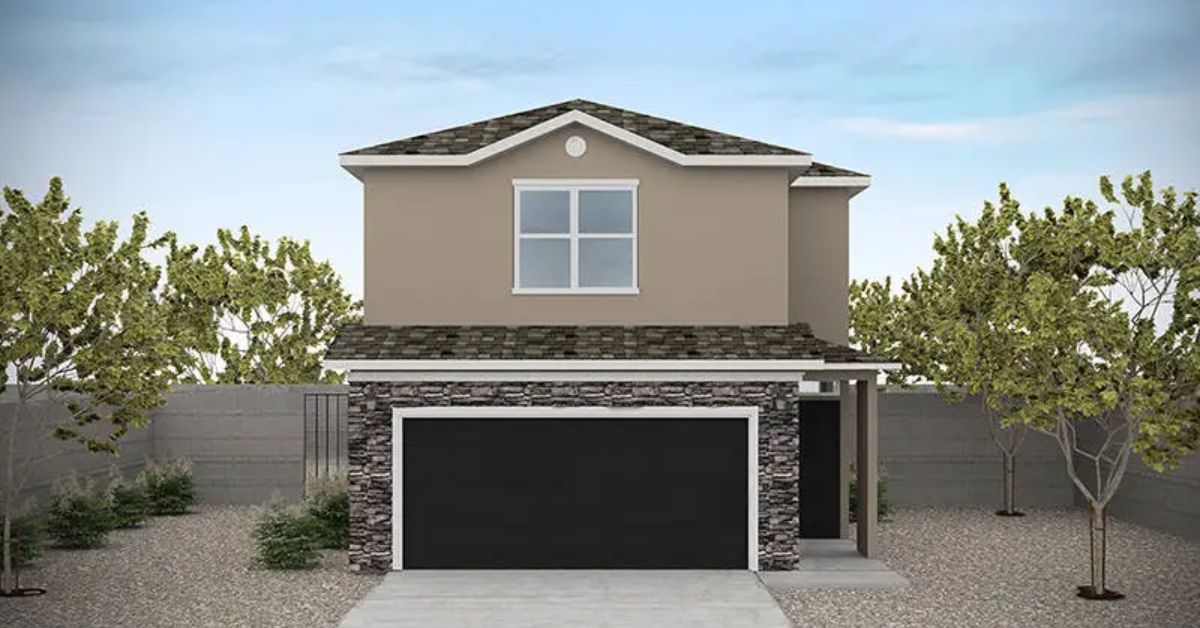

- Spacious homes across the USA
- Flexible rental options nationwide
- Family friendly neighborhoods available
- Easy search and secure leasing
Renting a home in the United States is no longer just a short-term solution or a temporary step before buying. For millions of people, renting is a practical, flexible, and often smarter way to live. American homes for rent now cover everything from small-town single-family houses to large suburban communities and city-edge neighborhoods that offer space, privacy, and stability without the long-term commitment of ownership.
This guide looks closely at American homes for rent across the United States. It explains how the rental market works, why home rentals have grown in popularity, what types of homes are available, how pricing varies by region, and what renters should realistically expect. The focus stays practical. No sales talk. No unrealistic promises. Just clear, experience-based guidance designed to help renters make informed decisions.
Whether you are relocating, downsizing, growing your family, or simply prefer the flexibility of renting, understanding the U.S. home rental landscape makes the process far less stressful.
Why American Homes for Rent Are in High Demand
The demand for American homes for rent has increased steadily over the past decade. This shift is driven by lifestyle changes, economic realities, and changing attitudes toward homeownership.
Flexibility Without Long-Term Commitment
Renting a home allows people to move when life changes. Job relocations, family needs, or lifestyle shifts are easier to manage without the responsibility of selling a property. Many renters value the ability to adapt rather than being tied to one location.
Rising Home Prices and Interest Rates
In many parts of the United States, buying a home has become more expensive. High down payments, rising mortgage rates, and ongoing maintenance costs push many households toward renting. Renting a home often provides access to better neighborhoods or more space than buying would allow.
More Space Than Apartments
Apartments work well for some people. For others, they feel limiting. Home rentals offer yards, garages, extra rooms, and privacy. Families, remote workers, and pet owners often prefer homes because they support daily life more comfortably.
Lifestyle Over Ownership
Younger renters in particular often prioritize experiences, career mobility, and financial flexibility over owning property. Renting a home fits this mindset well, especially when long-term plans are uncertain.
Types of American Homes for Rent
The U.S. rental market offers a wide range of home styles. Understanding these options helps renters narrow their search and choose homes that match their needs.
Single-Family Homes
Single-family homes are the most common type of American home for rent. These are standalone houses with private yards, driveways, and individual entrances. They appeal to families, long-term renters, and anyone seeking privacy.
Benefits include more space, quieter surroundings, and flexibility in how the home is used. Downsides can include higher rent and responsibility for minor maintenance, depending on the lease.
Townhouses and Duplexes
Townhouses and duplexes sit between apartments and detached homes. They often share walls with neighboring units but still offer multiple floors, separate entrances, and sometimes small outdoor areas.
These homes typically cost less than single-family rentals and work well for couples or small families who want more space without paying premium rent.
Suburban Rental Communities
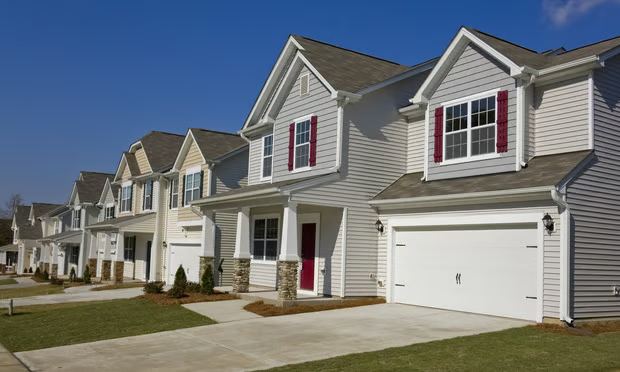
Purpose-built rental neighborhoods are growing across the United States. These communities offer rows of rental homes managed by professional companies. Maintenance, landscaping, and community amenities are often included.
This option appeals to renters who want consistency, predictable rules, and less hands-on responsibility.
Short-Term and Furnished Homes
In some regions, fully furnished homes are available for medium-term or short-term stays. These homes are common near business hubs, hospitals, or seasonal destinations. While convenient, they usually come at a higher monthly cost.
Regional Differences in American Home Rentals
The rental experience varies significantly depending on where you live. Geography, population density, and local economies all influence availability and pricing.
Northeast United States
The Northeast includes older housing stock and higher population density. Homes for rent are often smaller and more expensive, especially near major cities. Suburban rentals offer more space but still command higher prices compared to other regions.
Southern United States
The South offers some of the most affordable American homes for rent. Larger homes, newer construction, and growing suburban areas make this region attractive for families and retirees. Demand is rising due to job growth and migration from higher-cost states.
Midwest United States
Midwestern rentals tend to be affordable and spacious. Homes often include basements, yards, and garages. While some areas experience slower job growth, the cost-to-space ratio remains appealing.
Western United States
The West includes some of the most competitive rental markets. Home rentals near coastal cities are expensive, while inland and suburban areas provide more reasonable options. Demand remains strong due to employment opportunities and lifestyle appeal.
How Pricing Works for American Homes for Rent
Rental pricing depends on several factors. Understanding these helps renters set realistic expectations and budgets.
Location Is the Primary Factor
Homes near major cities, good school districts, and job centers cost more. Even small differences in location can lead to large price changes.
Size and Layout Matter
More bedrooms, bathrooms, and square footage increase rent. Open layouts, updated kitchens, and outdoor spaces also influence pricing.
Market Conditions
Rental prices rise in high-demand seasons and stabilize during slower periods. Economic conditions, local housing supply, and population growth all affect rates.
Included Services
Some rentals include lawn care, trash pickup, or community amenities. These features may raise rent but reduce out-of-pocket expenses.
What Renters Should Look for Before Signing a Lease
Choosing a rental home involves much more than liking the layout or agreeing with the price. A lease is a legal commitment that shapes your daily life, finances, and flexibility. Paying attention to practical details before signing helps prevent disputes, unexpected costs, and stress later. From lease structure to neighborhood fit, every detail plays a role in whether a rental experience feels smooth or frustrating over time.
Lease Terms and Length
Before signing, understand how long the lease runs and how much flexibility it allows. Fixed-term leases provide stability but limit early exit options, while month-to-month leases offer freedom with less predictability. Review renewal terms, notice requirements, rent increase clauses, and penalties for breaking the lease early. Clear lease terms set expectations upfront and reduce the risk of disputes during or after your tenancy.
Maintenance Responsibilities
Maintenance rules vary widely between rental homes. Some landlords handle all repairs, while others expect tenants to manage basic upkeep such as lawn care, air filter changes, or minor fixes. Clarify who is responsible for appliances, plumbing issues, pest control, and emergency repairs. Knowing how maintenance requests are handled and response times helps avoid frustration and ensures the home remains comfortable and safe.
Pet Policies
Pet rules differ significantly across American homes for rent. Some properties welcome pets freely, while others restrict breeds, sizes, or numbers. Ask about pet deposits, monthly pet rent, and non-refundable fees. Confirm rules regarding outdoor access, fencing, and noise complaints. Understanding pet policies in advance protects your tenancy and prevents conflicts that could lead to fines or lease termination.
Neighborhood Fit
A rental home’s surroundings matter just as much as the home itself. Visit the neighborhood at different times to assess traffic, noise, and overall activity. Check proximity to grocery stores, schools, healthcare facilities, and public transport. Consider safety, parking availability, and walkability. A well-matched neighborhood supports daily routines and contributes more to long-term satisfaction than interior features alone.
The Application and Approval Process
Renting a home usually involves a formal approval process designed to assess reliability and financial stability. Being prepared with documents and understanding what landlords evaluate can significantly speed up approval and improve your chances. Knowing these steps ahead of time also helps you compare properties realistically without unnecessary delays.
Credit and Background Checks
Landlords often review credit history to assess payment reliability and financial habits. Background checks may include rental history, eviction records, and criminal screenings depending on local laws. Strong references and stable employment improve approval chances. If credit issues exist, honesty and preparation, such as offering additional documentation or a co-signer, can help offset concerns.
Proof of Income
Most landlords require proof that income comfortably covers rent, often two-and-a-half to three times the monthly amount. Common documents include pay stubs, tax returns, or employment letters. Self-employed renters may need bank statements or additional records. Having these documents ready demonstrates reliability and speeds up the application process, especially in competitive rental markets.
Deposits and Fees
Security deposits are standard and usually equal one month’s rent, though amounts vary by state and property. Ask whether the deposit is refundable and under what conditions deductions apply. Additional costs may include application fees, cleaning fees, or administrative charges. Understanding all upfront and potential move-out expenses helps avoid financial surprises later.
Move-In Timelines
Rental homes may offer fixed or flexible move-in dates depending on availability and maintenance schedules. Confirm when rent responsibility begins and whether early move-in is possible. Misaligned timelines can lead to paying rent in two places at once. Coordinating move-in dates carefully reduces stress and helps manage costs more efficiently.
Living Long-Term in a Rental Home
Many renters choose to stay in the same home for several years. Long-term renting can be stable and comfortable when expectations are clear from the start. Understanding how renewals, personalization, and rent adjustments work helps renters settle in with confidence.
Stability Without Ownership Pressure
Long-term leases and professional property management can provide consistency similar to ownership without the financial burden. Renters avoid property taxes, major structural repairs, and resale concerns. This stability appeals to families, remote workers, and anyone who values predictable living arrangements without long-term financial risk tied to property ownership.
Personalization Limits
Most rental homes allow limited customization, such as hanging pictures or painting with permission. Larger changes often require written approval. Understanding what modifications are allowed prevents lease violations and potential deposit deductions. Knowing these limits early helps renters decide whether a property truly fits their lifestyle and comfort preferences.
Renewal and Rent Adjustments
Rent increases are common during lease renewals, though amounts vary by market and local regulations. Review renewal notices carefully and ask about future rate expectations. Maintaining respectful communication with landlords or property managers often leads to smoother renewals. Planning ahead for possible rent changes helps renters stay financially prepared and avoid sudden relocation decisions.
Advantages of Renting Over Buying in the U.S.
Renting a home offers advantages that are often overlooked.
- Lower upfront costs compared to purchasing
- No responsibility for major repairs
- Ability to relocate easily
- Predictable monthly expenses
For many households, these benefits outweigh the perceived prestige of ownership.
Challenges to Be Aware Of
Renting is not without challenges. Awareness prevents surprises.
- Rent increases over time
- Limited control over property changes
- Possible lease non-renewal
- Competition in popular markets
Planning ahead reduces these risks.
How to Find the Right American Home for Rent
A successful search requires patience and strategy.
- Start early, especially in competitive markets
- Set clear priorities before browsing
- Visit homes in person when possible
- Read leases carefully before signing
Avoid rushing decisions based solely on availability.
The Future of American Home Rentals
The rental housing market continues to evolve. Build-to-rent communities, technology-driven leasing, and flexible living arrangements are becoming more common. As homeownership costs rise, renting will remain a long-term choice for many Americans.
More professionally managed rental homes mean better standards, clearer policies, and improved tenant experiences. Renters can expect greater variety and improved quality in the coming years.
Must Read:
- Book the Best Homes for Rent Right Now
- Book Best Apartments for Rent Miami Now
- New York Apartments for Rent
Final Thoughts:
American homes for rent across the United States offer more than temporary shelter. They provide flexibility, comfort, and practical living solutions for a wide range of lifestyles. From suburban neighborhoods to growing regional markets, renters today have more choices than ever.
Understanding the market, knowing what to look for, and setting realistic expectations makes renting a home a positive experience rather than a stressful one. With the right approach, renting can be not just a fallback option but a smart, intentional way to live.
- Single family homes for rent
- Trusted listings across American cities
- Comfortable living without ownership pressure
- Move in ready rental homes