


Learning how to travel on a tight budget is not about cutting joy from your trip. It is about making smarter decisions that stretch your money further while still enjoying meaningful experiences. Budget travel is practical, flexible, and often more rewarding than expensive trips because it pushes you closer to local life, culture, and real moments.
This guide explains how to travel on a tight budget in a clear way. It uses bullet points, structured sections, and a practical table so you can easily plan, apply, and adjust the advice for your own trips.
Why Learning How to Travel on a Tight Budget Matters
Travel costs are rising worldwide, but opportunities to travel cheaply still exist. Knowing how to travel on a tight budget allows you to travel more often, stay longer, and reduce financial stress before and after your trip.
Budget travel helps you:
- Avoid debt and financial regret
- Travel longer instead of rushing
- Focus on experiences instead of luxury
- Feel more relaxed about daily spending
- Make travel a regular part of life, not a rare event
Start With the Right Budget Travel Mindset
Learning how to travel on a tight budget starts with mindset, not money. Before searching for cheap flights or affordable hotels, the way you think about travel shapes every decision that follows. A strong budget travel mindset allows you to stay calm, flexible, and confident, even when funds are limited. Without this mindset, money disappears quickly. With it, even a small budget can support meaningful, enjoyable, and stress-free travel.
Budget travel is not about discomfort or constant compromise. It is about awareness, intention, and control. When you understand why you are travelling and what truly matters to you, spending becomes purposeful. Money stops feeling like a limitation and starts working as a tool that supports your journey.
1. Focus on Value, Not Price
One of the most important mindset shifts in budget travel is focusing on value instead of price. The cheapest option is not always the smartest, and the most expensive option does not always offer the best experience. Value is about what you receive in return for what you spend.
For example, a reasonably priced guesthouse in a local neighbourhood may offer better comfort, safety, and cultural connection than a slightly cheaper room in a crowded tourist area. When you evaluate spending based on value, you avoid false savings that lead to frustration later. This mindset helps you spend confidently on things that genuinely improve your travel experience.
2. Let Go of Travel Comparisons
A tight budget becomes harder to manage when travel turns into a comparison game. Social media often highlights luxury hotels, premium flights, and carefully curated experiences that create unrealistic expectations. Comparing your trip to others can push you to overspend just to feel like you are doing travel the right way.
Budget travel becomes more rewarding when it is personal. Your journey does not need to look impressive to anyone else. When you let go of comparisons, you remove pressure from your spending decisions. This allows you to travel in a way that feels authentic, comfortable, and aligned with your financial reality.
3. Accept Simple Trade-Offs Calmly
Travelling on a tight budget involves making practical choices without stress. You might take public transport instead of taxis, stay outside city centres, or prepare some meals yourself. These decisions are not sacrifices. They are strategic choices that protect your budget and often lead to more authentic experiences.
Accepting trade-offs calmly helps you stay positive and adaptable. Instead of focusing on what you are not doing, you focus on what you are gaining. Slower travel, deeper local connections, and longer stays often come from these choices.
4. Separate Needs From Wants
A strong budget travel mindset clearly separates needs from wants. Needs support your safety, comfort, and basic enjoyment. Wants are optional extras that may not add long-term value. Understanding this difference helps you avoid impulse spending and keeps your budget balanced.
When needs are covered first, wants can be chosen intentionally. This creates a sense of control rather than restriction.
5. Trust That Budget Travel Is Still Real Travel
Finally, trust that travelling on a tight budget does not reduce the quality of your experience. Meaningful travel comes from people, places, and moments, not price tags. When you believe this, budgeting feels empowering instead of limiting.
With the right mindset, tight-budget travel becomes a skill you carry for life, allowing you to explore more often, more deeply, and with far less financial stress.
Choose Budget-Friendly Destinations First
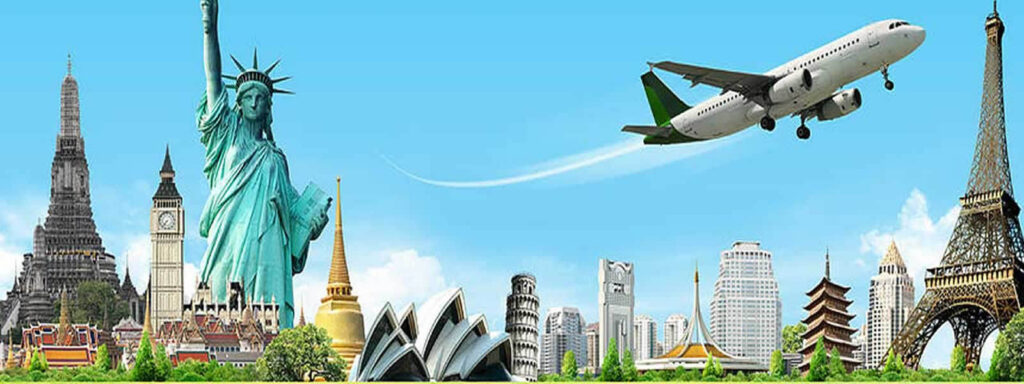
Where you travel matters more than how you travel when learning how to travel on a tight budget.
Look for Low Daily Cost Destinations
Some countries and regions naturally cost less per day for:
- Accommodation
- Food
- Transport
- Activities
These destinations allow you to travel longer on the same budget.
Travel During Shoulder or Off-Season
Avoid peak travel periods when prices rise sharply.
Benefits of off-season travel include:
- Lower accommodation prices
- Cheaper flights
- Fewer crowds
- More flexibility with booking
Plan Your Budget Before You Book Anything
Planning is the foundation of how to travel on a tight budget.
Set a Clear Total Budget
Decide the maximum amount you can spend without affecting:
- Rent or mortgage
- Savings
- Monthly bills
- Emergency funds
Break Your Budget Into Categories
Use clear categories to avoid overspending in one area.
Common budget categories:
- Transport
- Accommodation
- Food
- Activities
- Emergency buffer
Save Money on Transportation
Transportation is often the biggest expense, so managing it well is crucial when learning how to travel on a tight budget.
Smart Transport Tips
- Be flexible with travel dates
- Compare flights, trains, and buses
- Use overnight transport to save accommodation costs
- Book early for long-distance travel
- Walk whenever possible at destinations
Budget Transport Habits
- Avoid airport taxis when public transport is available
- Use city travel passes if staying several days
- Share rides when safe and practical
Affordable Accommodation Strategies
Accommodation choices play a major role in how to travel on a tight budget.
Budget-Friendly Accommodation Options
- Hostels and dorm rooms
- Guesthouses and homestays
- Budget hotels
- Short-term apartment rentals
- Staying outside tourist centres
Ways to Reduce Accommodation Costs
- Book longer stays for discounts
- Choose places with kitchen access
- Avoid peak nights like weekends in busy cities
- Compare prices across multiple platforms
Eat Well Without Overspending
Food can quietly destroy a budget if not managed properly.
Budget Food Tips
- Eat where locals eat
- Shop at markets and grocery stores
- Mix eating out with simple self-cooked meals
- Avoid restaurants near major attractions
- Carry snacks to avoid impulse purchases
Smart Eating Habits
- Choose lunch specials instead of dinner dining
- Share large portions when possible
- Drink tap water where safe
Use Free and Low-Cost Activities
Knowing how to travel on a tight budget means understanding that many great experiences are free.
Free Experiences to Look For
- Parks, beaches, and nature trails
- Historic neighbourhoods
- Local markets
- Free walking tours
- Festivals and public events
Low-Cost Experiences Worth It
- Public museums on free days
- Local transport rides with scenic routes
- Community performances or events
Daily Habits That Keep Spending Low

Learning how to travel on a tight budget is not only about planning before your trip. What you do each day while travelling has an even bigger impact on how much you spend overall. Small daily habits, when repeated, quietly protect your budget and prevent unnecessary stress. These habits help you stay aware, flexible, and in control without making travel feel restrictive.
1. Track Your Spending Every Day
Daily tracking is one of the most powerful habits for keeping costs low. When you check your spending at the end of each day, you stay aware of where your money is going. This awareness prevents small expenses from adding up unnoticed. Daily tracking also allows you to adjust quickly. If one day costs more than planned, you can balance it by spending less the next day instead of realising the problem too late.
2. Set a Simple Daily Spending Limit
A daily spending limit gives structure without pressure. Instead of worrying about every individual cost, you focus on the total for the day. This approach keeps spending balanced and reduces decision fatigue. Some days you may spend more, others less, but the overall budget stays intact. A daily limit encourages mindful choices without forcing strict rules.
3. Walk Whenever Possible
Walking is one of the easiest ways to save money while travelling. It removes transport costs and often leads to better experiences. Walking helps you discover local neighbourhoods, small cafes, markets, and viewpoints that are easy to miss when using transport. It also reduces the temptation to take short, unnecessary taxi rides that quietly increase daily spending.
4. Avoid Impulse Purchases
Impulse spending is one of the biggest budget killers. Small items like snacks, souvenirs, drinks, and convenience purchases seem harmless but add up quickly over several days. A simple habit is to pause before buying anything unplanned. Asking yourself whether the item adds real value to your trip helps eliminate unnecessary expenses while keeping spending intentional.
5. Carry Reusable Essentials
Carrying a reusable water bottle, shopping bag, and basic snacks reduces daily spending more than most travellers realise. Buying bottled water, plastic bags, or last-minute snacks repeatedly increases costs. Reusable items remove these small but frequent expenses and make daily spending more predictable.
6. Review Tomorrow’s Plan Each Evening
Spending stays low when your days have light structure. Reviewing the next day in the evening helps you avoid rushed decisions that often cost more. Knowing where you are going, how you will get there, and what you plan to do reduces reliance on expensive last-minute options. This habit also helps you identify free or low-cost activities in advance.
7. Eat and Shop Like Locals
Daily spending drops naturally when you eat and shop where locals do. Local bakeries, markets, and neighbourhood restaurants usually cost less than tourist-focused places and offer better quality. This habit improves both your budget and your travel experience, making meals more affordable and more authentic at the same time.
8. Keep Cash and Card Use Balanced
Relying only on cards or only on cash can lead to overspending. Using cash for daily expenses creates natural spending limits, while cards work well for larger or planned costs. Balancing both helps you stay conscious of spending without constant calculations.
9. End Each Day With a Quick Budget Check
A short budget review each night builds confidence and control. Seeing that you stayed on track feels rewarding. If you went over, you can adjust calmly instead of feeling stressed. This habit turns budgeting into a routine rather than a burden.
10. Stay Flexible and Forgiving
Finally, the most important daily habit is flexibility. No budget is perfect. Some days will cost more than planned. Staying calm and forgiving yourself prevents emotional spending or frustration. Budget travel works best when it feels adaptable, not strict.
Daily habits may seem small, but together they shape the entire trip. When practiced consistently, these habits keep spending low, protect your budget, and allow you to enjoy travel fully without constant money worries.
Travel Slowly to Save More
Fast travel is expensive. Slow travel is budget-friendly.
Benefits of Slow Travel
- Fewer transport costs
- Lower accommodation rates
- Better understanding of local life
- Reduced stress and planning pressure
How to Travel Slowly on a Budget
- Stay at least one week in each place
- Use weekly or monthly rentals
- Build daily routines like locals
How to Travel on a Tight Budget as a Solo Traveller
Solo travellers often find it easier to control spending.
Solo Budget Travel Advantages
- Flexible decision-making
- Easier accommodation choices
- Access to shared rooms and budget stays
- Ability to change plans quickly for cheaper options
How to Travel on a Tight Budget With Family

Travelling with family can feel expensive, but learning how to travel on a tight budget with family is completely achievable with the right planning and daily habits. Family travel does not need luxury to be enjoyable. In fact, simple trips often create the strongest memories. The key is structuring expenses carefully so comfort, safety, and fun are balanced without financial stress.
Family budgeting works best when decisions are made early and everyone understands priorities. When costs are controlled from the start, travel becomes relaxed instead of overwhelming.
1. Choose Family-Friendly Accommodation That Saves Money
Accommodation is usually the biggest expense for families, so smart choices here make the biggest difference. Apartments, family rooms, and vacation rentals often cost less per person than multiple hotel rooms. Kitchen access allows you to prepare simple meals, reducing food costs significantly over several days.
Staying slightly outside city centres also helps lower prices while offering quieter surroundings. With good public transport, families can still reach attractions easily without paying premium location rates.
2. Plan Meals in Advance to Control Daily Costs
Food expenses increase quickly when travelling as a family. Planning meals ahead helps avoid constant eating out, which adds up fast. A mix of self-prepared breakfasts, packed lunches, and one main meal out each day keeps costs balanced.
Local markets and grocery stores offer affordable, fresh food options and are often an enjoyable family experience themselves. This approach also reduces stress around finding restaurants multiple times a day.
3. Focus on Free and Low-Cost Activities
Family travel becomes much more affordable when free activities are prioritised. Parks, beaches, nature trails, playgrounds, walking routes, and historic neighbourhoods offer entertainment without entry fees. Many cities also provide free museums on certain days and community events suitable for all ages.
These experiences are often more engaging for children than paid attractions and allow families to explore at their own pace.
4. Use Family Passes and Bundled Tickets
When paid attractions are part of the plan, bundled tickets and family passes help reduce costs. Many destinations offer discounts for families, multi-day passes, or combined entry tickets for multiple attractions. Planning these purchases in advance prevents impulse spending and avoids paying full price at the gate.
Public transport family passes also reduce daily travel costs and simplify getting around together.
5. Travel During Shoulder or Off-Peak Periods
Timing plays a major role in how to travel on a tight budget with family. Travelling just outside peak school holidays or choosing less busy seasons often leads to lower accommodation prices, cheaper flights, and fewer crowds.
Even small shifts in travel dates can create noticeable savings while making destinations more relaxed and family friendly.
6. Keep a Flexible Daily Budget
Families benefit from flexible budgeting rather than strict daily limits. Some days may involve higher costs due to attractions or transport, while others cost very little. Balancing spending across the trip prevents pressure and allows room for special experiences without guilt.
Tracking expenses daily helps parents stay in control and adjust calmly when needed.
7. Pack Smart to Avoid Extra Expenses
Packing correctly reduces unexpected spending. Essentials like reusable water bottles, snacks, basic first-aid items, and weather-appropriate clothing prevent frequent purchases on the go. For families, this habit alone can save a surprising amount of money.
Preparedness reduces reliance on convenience purchases, which are often overpriced in tourist areas.
8. Involve Children in Budget Awareness
When children understand basic budgeting ideas, travel becomes easier. Explaining simple limits helps manage expectations and reduces pressure to buy souvenirs or snacks constantly. Involving children in choosing free activities or planning meals can also make them feel included and responsible.
This turns budget travel into a positive learning experience rather than a restriction.
9. Prioritise Comfort Over Luxury
Family travel on a tight budget works best when comfort is prioritised over luxury. Clean accommodation, safe transport, regular meals, and rest matter far more than premium upgrades. When basic needs are met well, everyone enjoys the trip more.
Luxury experiences can still happen occasionally, but they should be chosen intentionally rather than by default.
10. Remember That Simple Trips Create Strong Memories
Finally, remember that children rarely remember hotel ratings or expensive attractions. They remember time together, shared moments, and new environments. Picnics, walks, local experiences, and relaxed days often leave the strongest impressions.
Understanding this makes how to travel on a tight budget with family feel natural and rewarding rather than limiting. With thoughtful planning and flexible habits, family travel becomes affordable, enjoyable, and meaningful for everyone involved.
Use Technology to Control Your Travel Budget
Technology makes learning how to travel on a tight budget much easier.
Useful Digital Tools
- Budget tracking apps
- Currency conversion apps
- Flight and hotel price alerts
- Digital banking with low fees
Common Budget Travel Mistakes to Avoid
Avoiding mistakes is just as important as saving money.
Mistakes That Increase Costs
- Ignoring small daily expenses
- Overbooking paid activities
- Forgetting emergency funds
- Booking everything last minute
Sample Daily Budget Breakdown Table
Below is an example of how to structure a tight travel budget clearly.
| Expense Category | Daily Budget Example |
|---|---|
| Accommodation | 25 |
| Food | 20 |
| Transport | 10 |
| Activities | 10 |
| Miscellaneous | 5 |
| Total Per Day | 70 |
This table can be adjusted based on destination and travel style.
How to Travel on a Tight Budget Without Feeling Restricted
Budget travel should feel empowering, not limiting.
Spend Intentionally
- Spend more on what matters most
- Cut spending on things you do not value
- Align spending with personal priorities
Plan One Daily Highlight
- Choose one experience per day worth spending on
- Balance the rest with free or low-cost activities
Enjoy Simple Moments
Some of the best travel memories come from:
- Walking unknown streets
- Watching sunsets
- Talking with locals
- Exploring neighbourhoods
Final Thoughts:
Learning how to travel on a tight budget is a life skill, not a travel trick. It teaches discipline, flexibility, and awareness while opening the door to more frequent and meaningful travel experiences.
With smart planning, realistic budgeting, daily awareness, and intentional spending, travel becomes accessible to almost anyone. You do not need luxury to explore the world. You need clarity, curiosity, and the confidence to travel smarter, not more expensively.